Empowering Cancer Care: Navigating Treatment Options and Wellness Strategies
In the journey of cancer care, one of the most crucial steps is understanding the spectrum of treatment options available to patients. As families and individuals dive into the world of oncology, they are often met with a whirlwind of information. From chemotherapy, a well-known method of battling malignancy, to newer innovations like immunotherapy, the choices can be overwhelming yet promising. How can you navigate this landscape and ensure the freedom to make informed decisions that align with your values and wellness goals?
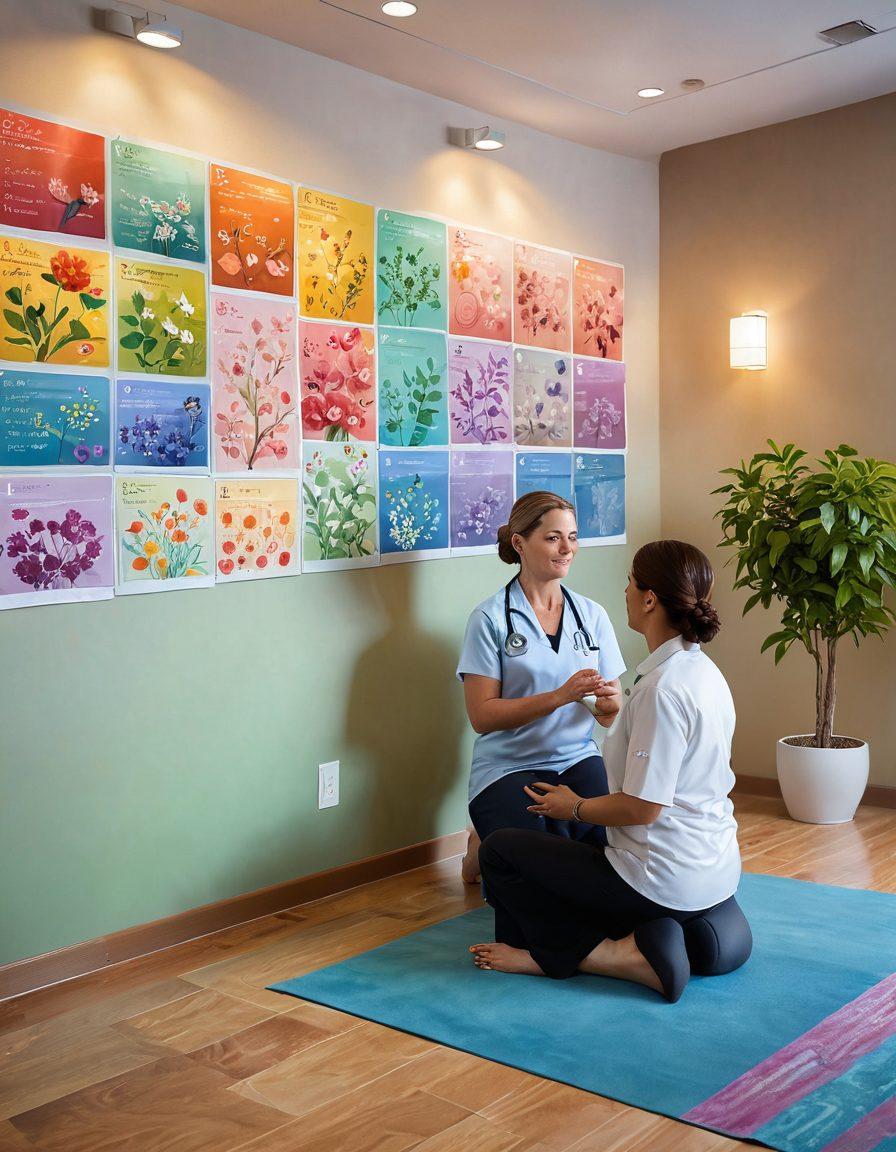
Chemotherapy has long been the backbone of cancer treatment, often depicted in dramatic media portrayals. It's understandable why patients may experience fear at the mention of this treatment. Yet, chemotherapy is evolving through medical research and tailored approaches, enhancing symptom management and minimizing side effects. Imagine a scenario where patients can work with their oncologist to create a customized plan that reflects their needs, preferences, and lifestyle. Think about the empowerment that comes when you, as a patient, can voice your concerns and collaborate in your treatment journey.
Then comes immunotherapy, a beacon of hope shining through the halls of healthcare. This groundbreaking treatment harnesses the body’s immune system to target carcinomas and, through innovation, is transforming the narrative of cancer care. Have you ever wondered why some patients thrive and others struggle? The key lies in understanding risk factors and how specific treatments may work better for certain individuals. Emerging research is increasingly valuable, highlighting how personalized immunotherapy can enhance quality of life while effectively combating malignancy.
Another important aspect is patient advocacy and community support. Support groups offer a lifeline for those navigating the unpredictable waves of cancer treatments. Here, individuals can share their stories, swap resources, and feel validated in their emotions. What if you don’t find a local group? Not to worry; there is an abundance of online resources where patients can find solace, information, and networks dedicated to chronicling the ups and downs of survivorship. Connecting with others often sheds light on alternative therapies and wellness strategies that others have found beneficial.
As you explore treatment options, remember the significance of healthcare literacy. Engaging with clinical trials opens doors to cutting-edge treatment options. However, a well-rounded understanding of one's condition—whether it's a stubborn carcinoma or a type of malignancy yet to be diagnosed—empowers patients to ask the right questions. In this ever-evolving field of cancer resources and oncology news, being proactive in your education isn’t just a choice; it’s a necessity for controlling your health and enhancing well-being. No matter where you are on your journey, remember: knowledge is a tool, and together, we can forge paths to recovery and thriving cancer survivorship.
Empowering Patients: Advocacy and Support in the Journey of Cancer Care
In the face of a cancer diagnosis, the journey can feel overwhelmingly daunting. Patients are often confronted with a whirlwind of emotions and a plethora of treatment options. What if I told you that empowering patients through advocacy and support could make all the difference? When it comes to navigating the complex world of oncology, understanding your cancer care isn't merely about deciphering medical information—it's about building a supportive community that champions your well-being. Let's delve into the vital role that patient advocacy plays in managing malignancies and advancing treatment options, all while enhancing your quality of life.
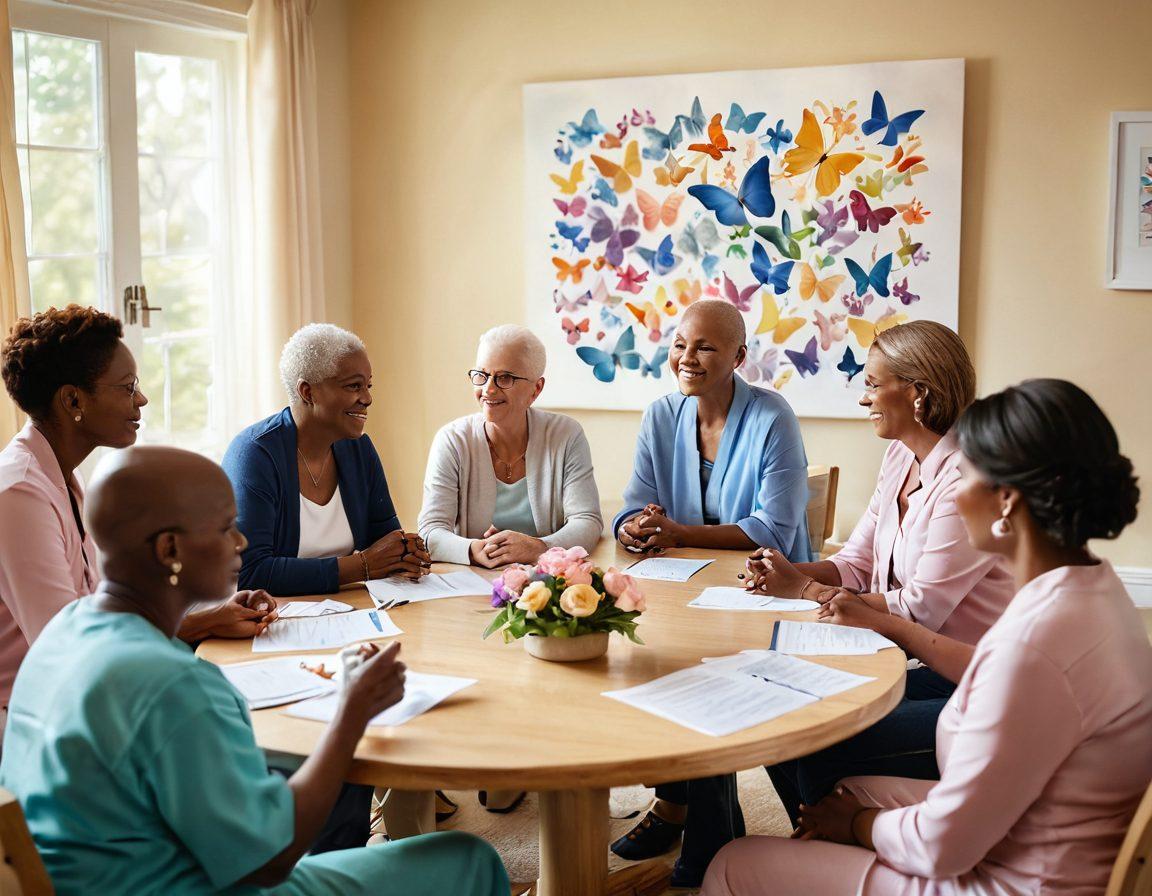
Imagine walking into a room filled with strangers who understand your deepest fears and challenges. This is the heart of cancer support groups. These communities provide a safe space for individuals facing carcinoma and other forms of malignancy to share their experiences and learn from one another. As one survivor beautifully stated, 'It's not just about fighting cancer; it’s about fighting it together.' Access to emotional support and shared health information can empower patients to become advocates for their own healthcare, pushing for options like clinical trials, immunotherapy, and alternative therapies with confidence.
Navigating through the myriad of treatment options—be it chemotherapy, radiation therapy, or experimental clinical trials—can be an overwhelming process. The role of oncology, including an oncologist's guidance, is crucial in simplifying these choices. However, patient education is equally important. Understanding risk factors, symptom management, and preventive care can equip patients with the necessary tools to engage actively in their disease management. What questions should you be asking your healthcare provider? Are you aware of the latest oncology news that could impact your treatment decisions? These are essential inquiries in the quest for effective cancer care.
Patient advocacy doesn't just help providers understand what you’re experiencing, but it also helps you to navigate the sea of cancer statistics and research that can feel like an overwhelming flood. Research is continuously evolving, and with advancements like immunotherapy and personalized treatment options, staying informed can significantly influence your health outcomes. Moreover, community support can play a robust role in this process; being part of groups that focus on holistic health helps patients maintain their emotional and physical wellness, providing a balanced approach to combating cancer.
Ultimately, the journey through cancer treatment is deeply personal, filled with ups and downs. However, every story of cancer survivorship also offers vital lessons on resilience and strength. Patients must be proactive in seeking the cancer resources they need, whether that’s through educational workshops or one-on-one consultations with their oncology teams. Have you considered how you can empower yourself with health awareness and actively advocate for your wellness? Remember, in this journey, no one has to walk alone. By fostering advocacy and support, patients can inspire change—not only in their lives but in the lives of others who are navigating the stormy seas of cancer care.
Holistic Wellness Strategies: Enhancing Quality of Life for Cancer Survivors
The journey of a cancer survivor is one filled with resilience, courage, and hope. After battling a malignancy such as carcinoma, survivors often find themselves seeking ways to enhance their quality of life beyond traditional oncology treatment options. Holistic wellness strategies have emerged as vital components of cancer care, enabling survivors to reclaim control over their health and well-being. How can these multifaceted approaches not only aid recovery but also provide a framework for thriving post-treatment?
When it comes to cancer survivorship, the conversation extends far beyond the mere medical interventions of chemotherapy, immunotherapy, or radiation therapy. While these are crucial aspects of treatment, holistic health emphasizes the importance of addressing the body, mind, and spirit. Imagine melding the art of healing with science—this intersection leads to a comprehensive approach that includes symptom management, preventive care, and the nurturing of mental health. What if the path to healing includes meditation sessions and nutritional adjustments alongside rigorous medical research and clinical trials?
Patient advocacy is a cornerstone of effective cancer care. Empowered survivors often share their stories and experiences through cancer support groups, creating communities rooted in shared understanding and collective strength. These groups not only provide emotional support but also serve as portals for health information. They enable individuals to discuss alternative therapy options, explore risk factors, and exchange knowledge about the latest oncology news. By harnessing community support, survivors can enhance their wellness journeys and advocate for their own or others’ treatments, leading to improved outcomes and enriched quality of life.
Engaging in holistic wellness strategies can also mean activating the power of preventive care and making informed lifestyle choices. Small changes, such as adopting a balanced nutrition plan that includes antioxidants and phytochemicals, can lead to significant health benefits. Physical activity, whether through gentle yoga or brisk walking, not only improves physical fitness but also uplifts the spirit. What are your favorite ways to stay active? Have you considered the impact that mindfulness practices like journaling or deep breathing could bring to your emotional well-being? Each action, no matter how small, adds to a larger tapestry of well-being.
As healthcare continues to evolve, survivors must remain vigilant and informed about available cancer resources. With fluctuating cancer statistics and ongoing clinical trials, education plays a crucial role in navigating the post-treatment landscape. Equipped with knowledge and a strong sense of advocacy, cancer survivors can set themselves on the path toward fulfilling lives after their cancer journeys, improving their overall quality of life. How will you invest in your wellness today? Remember, your health is not simply a destination but a continual journey—embracing the holistic wellness strategies may just be the key you need to unlock a healthier, happier you.